Aloya: A Bold and Elegant Typeface for Creative Projects
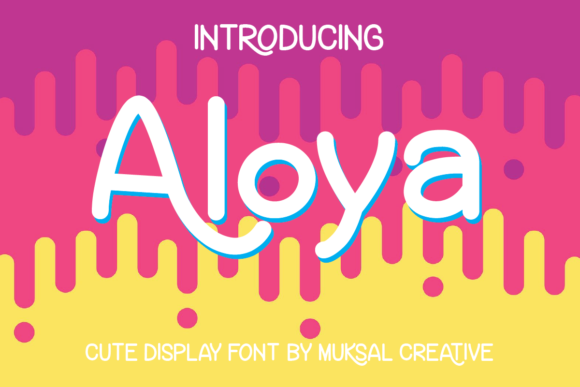
When I first laid eyes on Aloya, it struck me as a font that exudes both boldness and elegance. The letters have a commanding presence, yet they maintain a refined and sophisticated feel. This unique combination makes Aloya an intriguing choice for designers looking to make a strong visual statement while keeping a touch of class.
First Impressions: Aloya's Visual Personality
Aloya has a distinct personality that can be described as modern and assertive. The thick, well-defined strokes give it a solid, almost architectural feel, making it perfect for projects that need to stand out and command attention. The slightly rounded edges add a subtle softness, preventing the font from feeling too harsh or aggressive. This balance makes Aloya a versatile typeface that can fit into a variety of design contexts.
Real-World Performance: Where Aloya Shines
In real-life work situations, Aloya performs exceptionally well in several key areas:
- Logo Design: Aloya's bold and clean lines make it ideal for creating memorable logos. It can be used for both the main logo and supporting elements, providing a cohesive and impactful brand identity.
- Packaging Design: For premium packaging, Aloya adds a touch of luxury and sophistication. Its strong presence can elevate the overall look of the product, making it appealing to high-end markets.
- Social Media Graphics: In the fast-paced world of social media, Aloya's striking appearance helps graphics stand out in a crowded feed. Use it for short, impactful messages or as a focal point in your designs.
- Editorial Design: Aloya can be a powerful tool for headlines and section titles in magazines and other print publications. Its boldness draws the reader's eye, while its elegance complements more traditional serif and sans serif fonts used in body text.
Careful Considerations: When to Use Aloya Sparingly
While Aloya is a versatile font, it should be used judiciously in certain contexts:
- Large Headlines and Short Phrases: Aloya works best in large sizes and for short, punchy text. It can lose its impact when used for longer paragraphs or in smaller sizes.
- Brand Marks and Decorative Accents: Incorporate Aloya in brand marks or as decorative accents to add a touch of luxury and refinement. It can serve as a strong, recognizable element in your brand's visual language.
- Supporting Text: Use Aloya sparingly for supporting text. While it can be effective in small doses, overuse can overwhelm the design and reduce readability.
Practical Designer Notes: Testing and Pairing Aloya
Before incorporating Aloya into your project, consider these practical tips:
- Test in Black and White: Start by testing Aloya in black and white to see how it holds up without color. This will help you understand its form and structure better.
- Check Small-Size Readability: Ensure that Aloya remains legible in smaller sizes. If it becomes too difficult to read, it may not be suitable for all parts of your design.
- Try on Real Mockups: Place Aloya on actual mockups to see how it looks in context. This will give you a better idea of its performance in real-world scenarios.
- Compare Uppercase and Lowercase: Examine how Aloya looks in both uppercase and lowercase. This can help you decide which style works best for your specific project.
- Review Spacing: Pay attention to the spacing between letters and words. Adjust kerning and tracking if necessary to ensure optimal readability and visual balance.
- Test with Other Fonts: Experiment with pairing Aloya with different font styles, such as serif, sans serif, script, and handwritten fonts. This will help you find the right combination for your design.
- Confirm Commercial Licensing: Before using Aloya in client or business projects, make sure to check and confirm the commercial licensing. This ensures you are using the font legally and ethically.
Impact on Brand Consistency and Audience Engagement
Aloya's strong and elegant presence can significantly enhance brand consistency and audience engagement. When used thoughtfully, it can create a lasting impression and build trust with your audience. The font's modern and assertive nature aligns well with brands that aim to be seen as innovative and reliable. By carefully integrating Aloya into your design, you can achieve a balance of professionalism and creativity, making your projects stand out in a competitive market.
In conclusion, Aloya is a premium font that offers a unique blend of boldness and elegance. Its versatility and strong visual personality make it a valuable addition to any designer's toolkit. Whether you're working on a new brand identity, designing packaging, or creating engaging social media graphics, Aloya can help you achieve a professional and impactful result. Just remember to use it judiciously and test it thoroughly to ensure it meets the needs of your specific project.